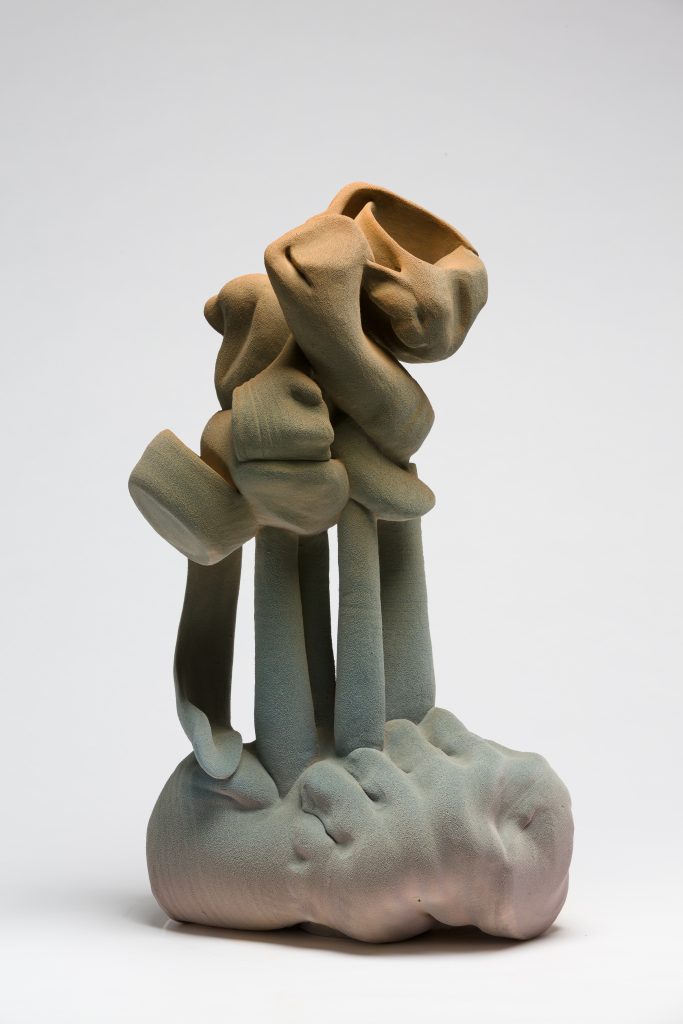
Several ceramic sculptures are included in CLAYTOPIA, an international group exhibition in the sculpture garden of the Guldagergaard International Ceramic Research Centre. Home to Northern Europe’s largest ceramic workshop and study collection, Guldagergaard provides a year-round environment where leading Danish and international artists, researchers and students come together to work and exchange ideas. info: www.ceramic.dk.
SCULPTURAL III, NQ Gallery, Antwerp, Belgium, 5 July – 31 August, 2026
SCULPTURAL III brings together eleven leading artists in a multifaceted exhibition exploring ceramics as a contemporary artistic medium. From sculptural and conceptual approaches to tactile, experimental and narrative works, each artist reveals a distinctive relationship with the material. Curated by Nick Ervinck and Niqui Van Olphen. Info: nqgallery.be
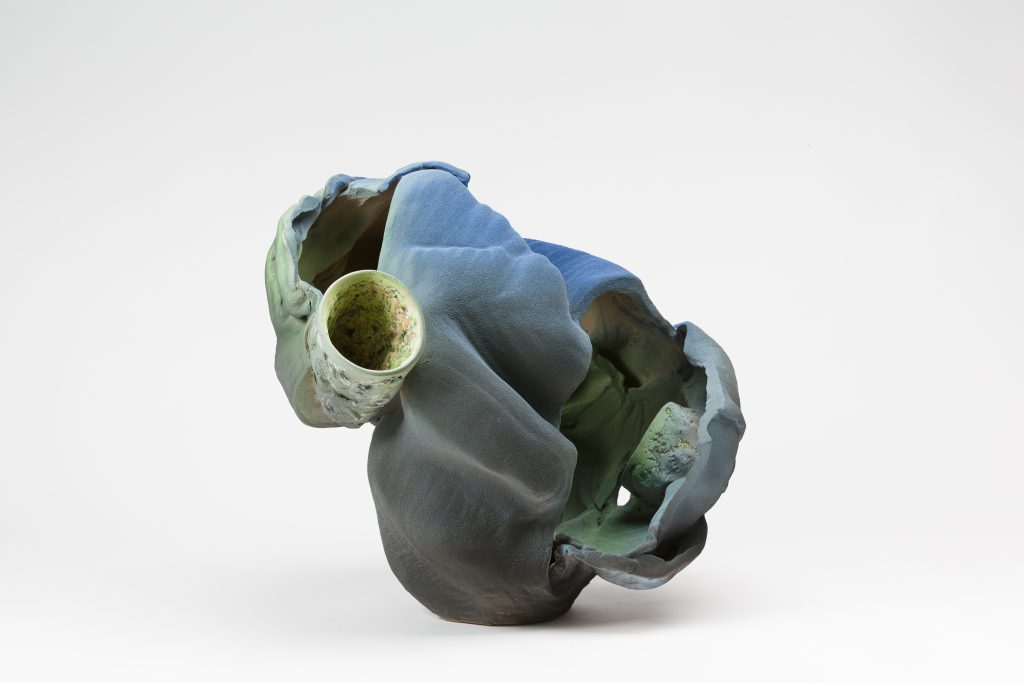
“Terre d’expression 2026”, Galerie Joseph Ravaisou, Bandol, France 4->19 april, 2026
“Terre d’expression 2026”, Galerie Joseph Ravaisou, Bandol, France 4->19 april,2026
The Printemps des Potiers’commitment to showcasing and championing contemporary ceramics stems from a love of clay as a material and pottery as a craft..
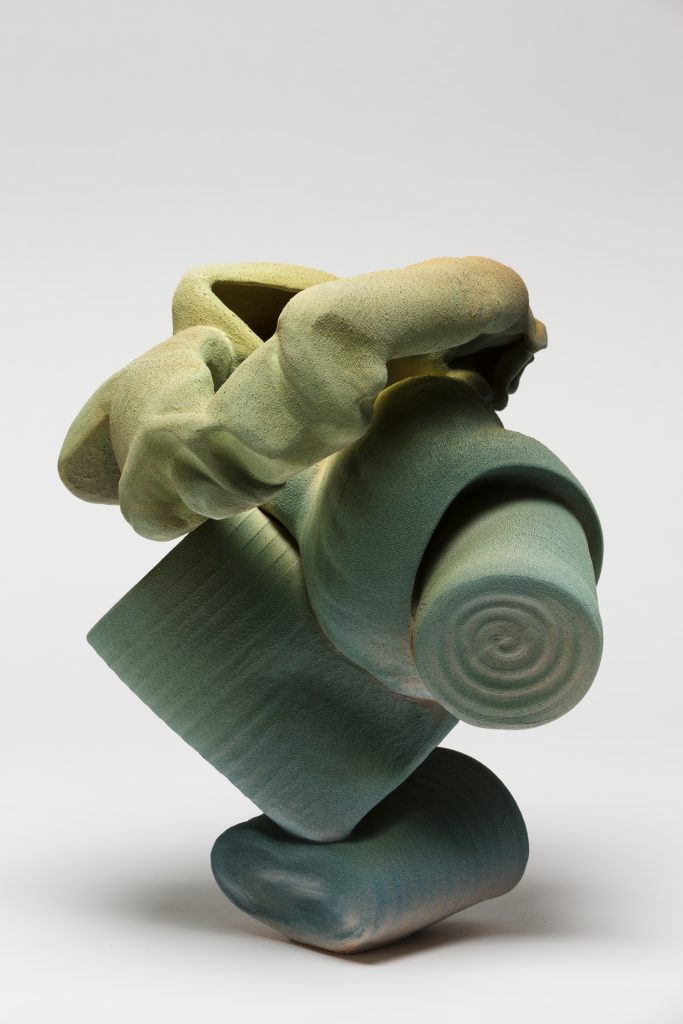
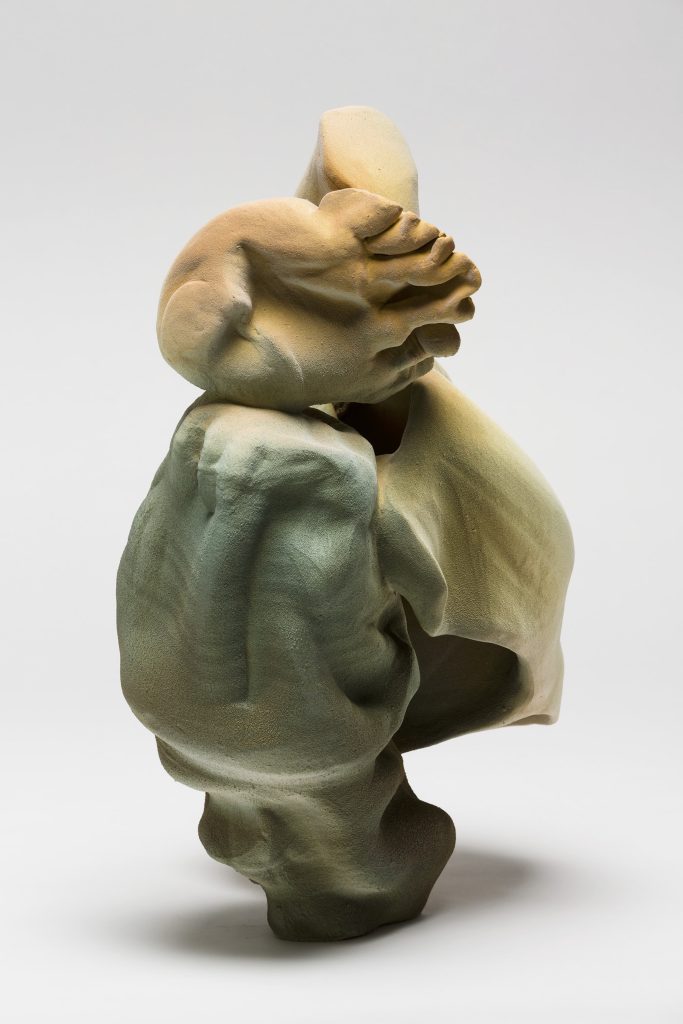
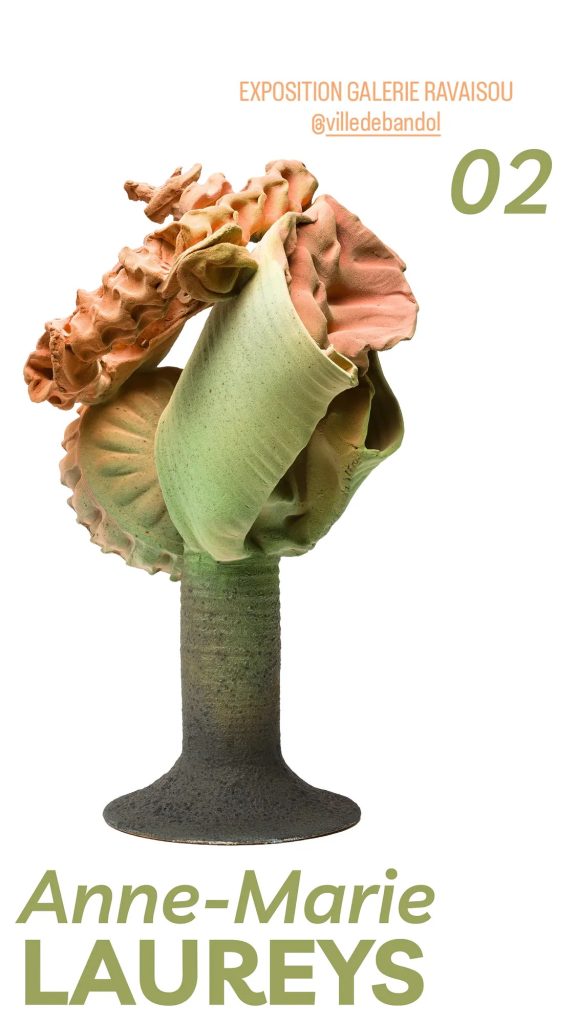
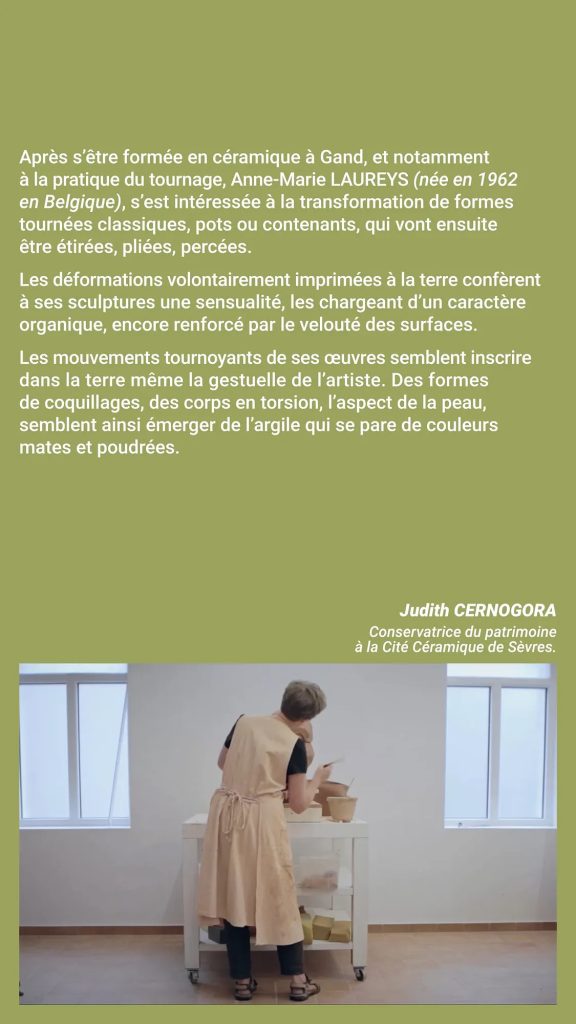
The 2026 edition of ‘Printemps des potiers’ showcases five European ceramicists whose work channels the earth’s elemental forces through clay: Jean-François Fouilhoux, Gil Browaëys, Icaro Maiterena, Anne verdier and Anne Marie Laureys.
Their highly structured approach to the ceramic material takes shape in sculptures that seem to emerge from rock formations and ancient geological strata, unearthed by artists acting as archaeologists. Bearing a history as old as time, the earth is adorned with delicate folds, adopts the gestures of a calligrapher, takes on organic lines, accumulations of materials and experimentation, and raw compressions, revealing ceramics as an art of tectonics.
“Terre d’expression 2026”, 4->19 april,2026 Galerie Joseph Ravaisou, Bandol, France.
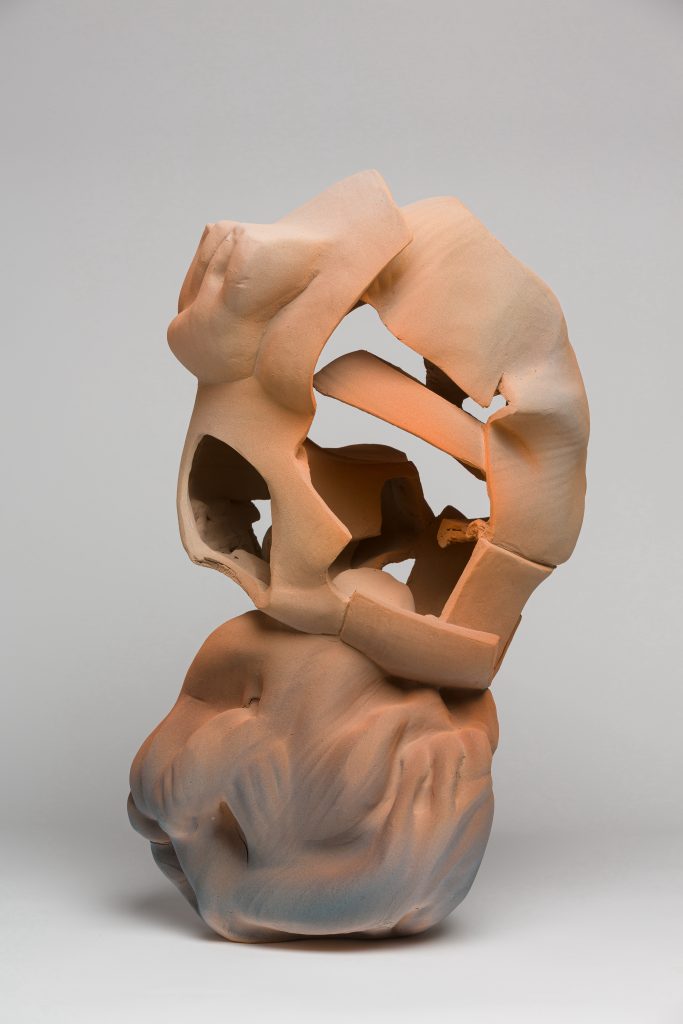
“A la belle vue de l’abattoir” group show in La Grande Halle of the old slaughterhouses of Mons, Belgium, March 8->May 24, 2026
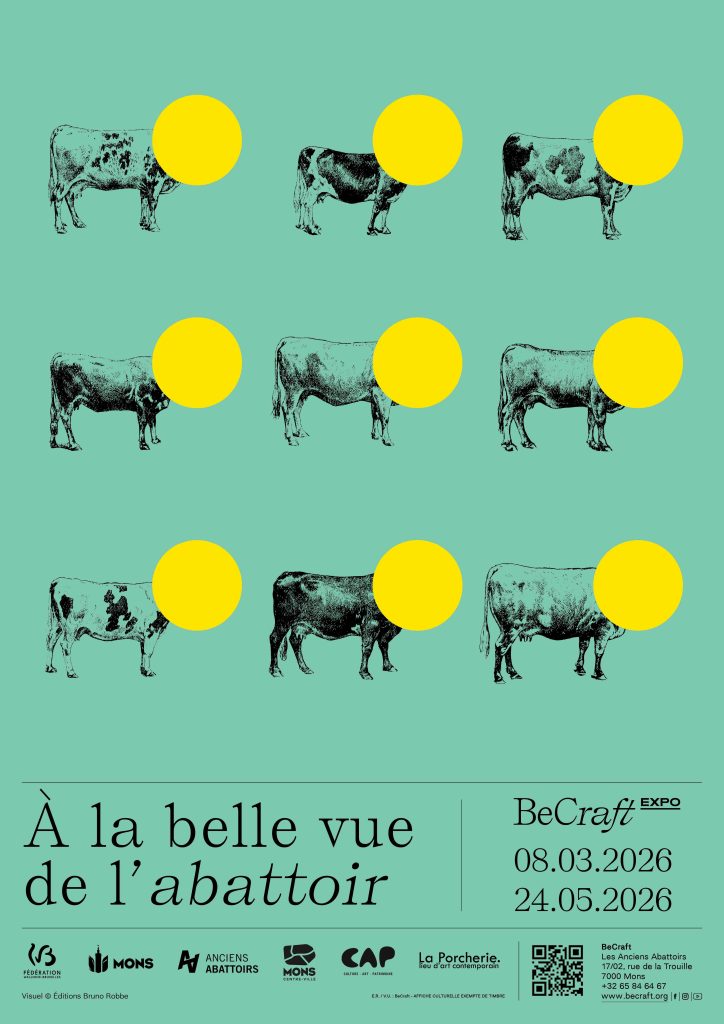
This European collective exhibition celebrates the association’s 20 years on the site and explores the imagination, history and contemporary issues surrounding slaughterhouses.
Whether through denunciation, memory, poetry or critical analysis, the works invite us to take a sensitive and informed look at these places of passage, abandonment, production, transformation and, to this day, heritage. The exhibition thus aims to open up a space for reflection on what slaughterhouses say about our societies: our relationship with living beings, with the acts of production, with traces, with disappearance.
The dialogue between the works, archival documents and life stories allows for a complete immersion into a theme rarely explored in the field of applied arts. It pays tribute to the power of craftsmanship in shaping our view of the world.
Catch, play, forget?
This former slaughterhouse, where an anonymous stream of animals met their end now houses a claw machine.
No more sounds of
metal hooks and heavy breathing, but the soft thud of an object to be won. A surprise wrapped in a playful way.
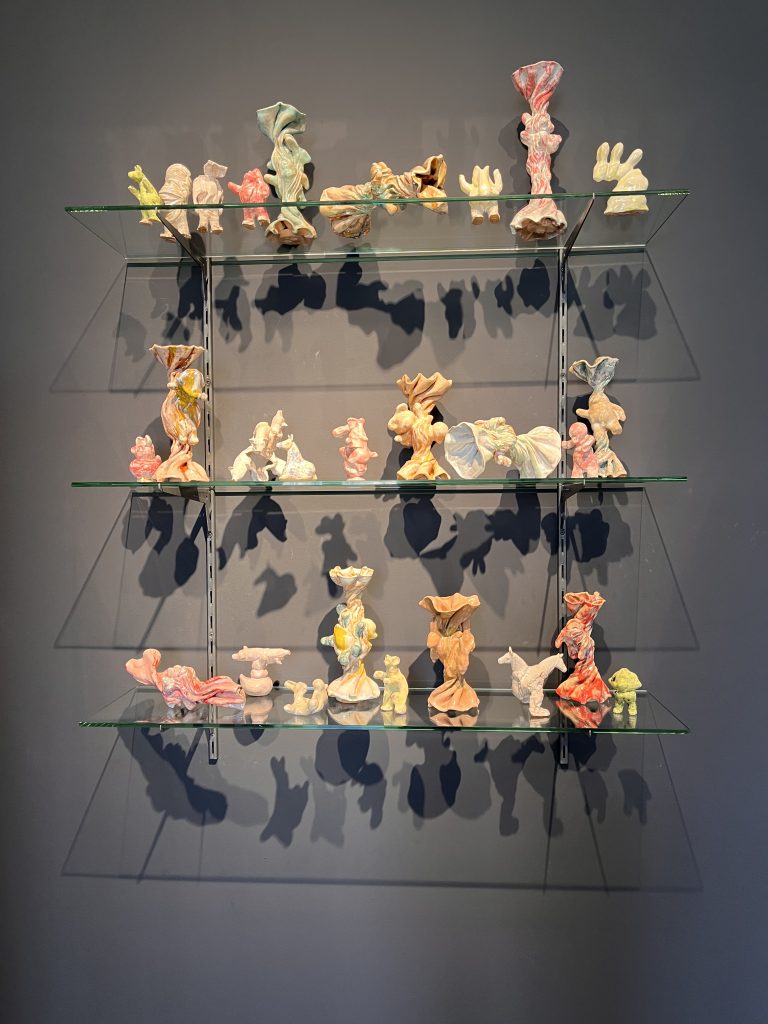
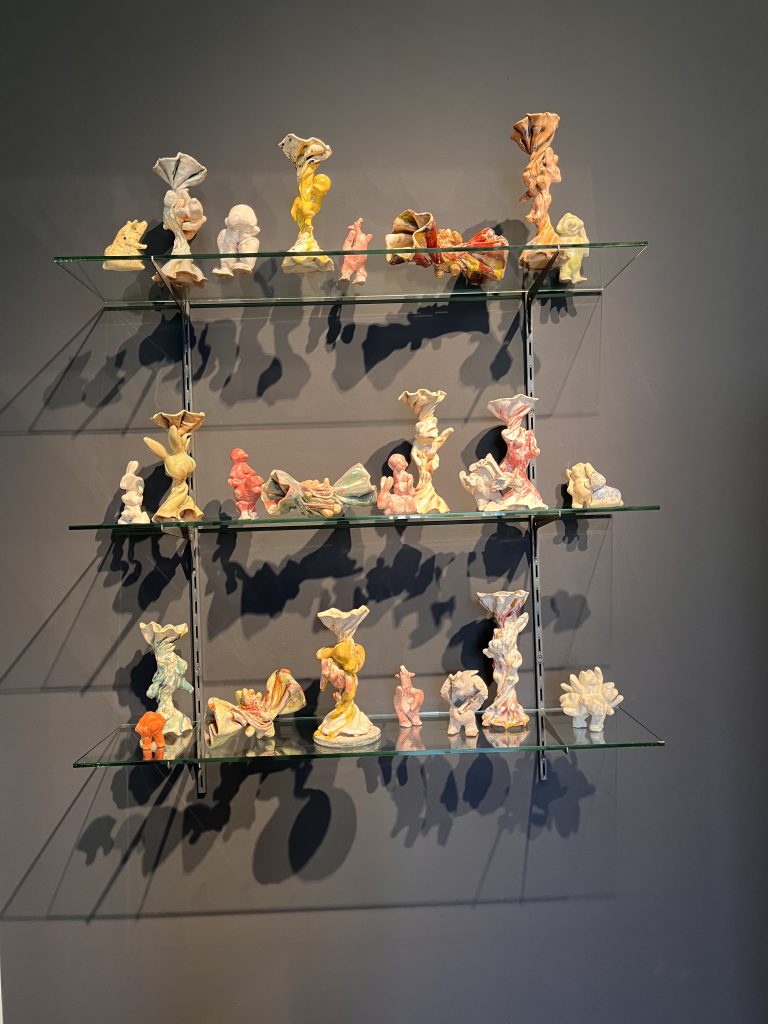
Here, you won’t find stuffed animals, but unique works of art, wrapped like sweets and steeped in history. A place with a past. This place exudes history. Where animals breathed their last breath, something new emerges: an art installation that plays on transformation, impermanence and rebirth. The smell of blood and steel has given way to colour and a certain sense of wonder.
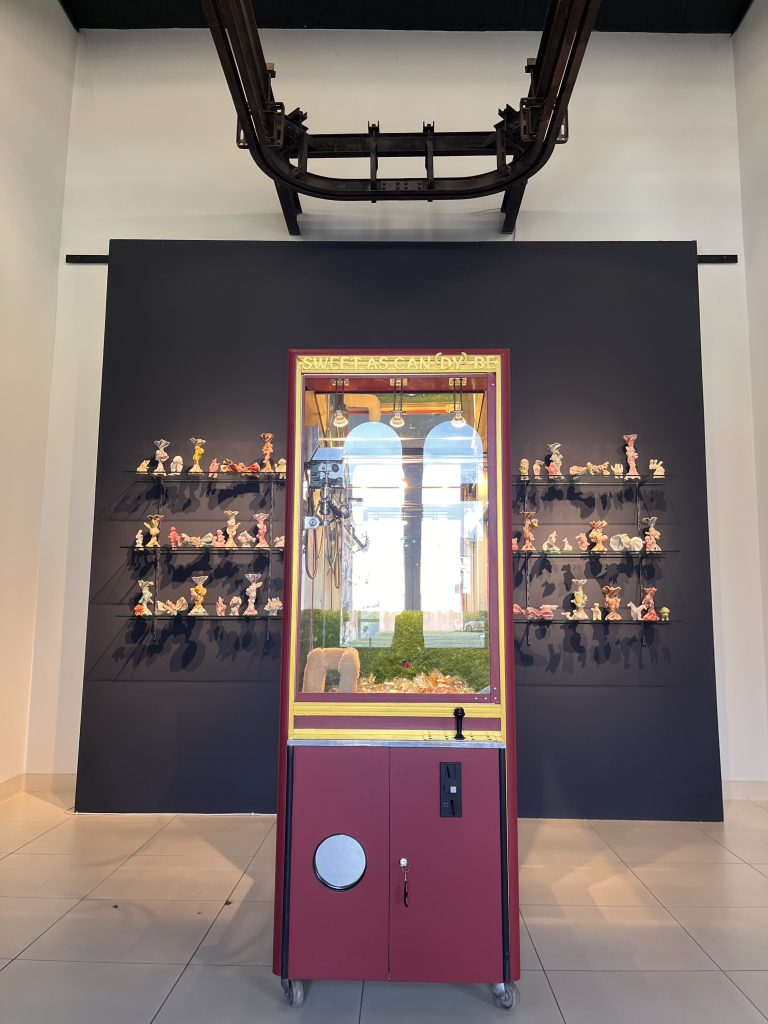
How does it work?
Let the claw machine do its job and discover what
awaits you. Each “package” contains a piece of art
made by hand (along with a QR code). Scan it and
immerse yourself in the stories behind this place. An
encounter with as sweet as can(dy)be, symbolizing both the
past and renewal.
Do you dare to take it?
The mascot as a mask.
[as sweet as can(dy)be] laughs, dances, draws you into the game.
But behind this playful façade lies something else.
A memory. A question. How do we view
animals? If we no longer eat them, do we consume them
differently?
“Les Fleurs du mal”, group show, Galerie 10a, Belgium, February 27-> March 29, 2026
With the exhibition Les Fleurs du Mal, running from February 28 to March 29, ceramic sculptures by Anne Marie Laureys go in dialogue with paintings by four artists: Julius Stibbe (NL), Nico Vaerewijck, Jan Vindevogel, and Ronald Zuurmond (NL).
The title refers to Charles Baudelaire’s famous collection of poems (1857), in which beauty and darkness are inextricably linked. Surprisingly, images of great intensity and beauty can arise from the broken and the uncomfortable.
The work of these artists can not only seduce, but also unsettle. The paintings and ceramic sculptures show how aesthetics can emerge from tension, distortion, and vulnerability.
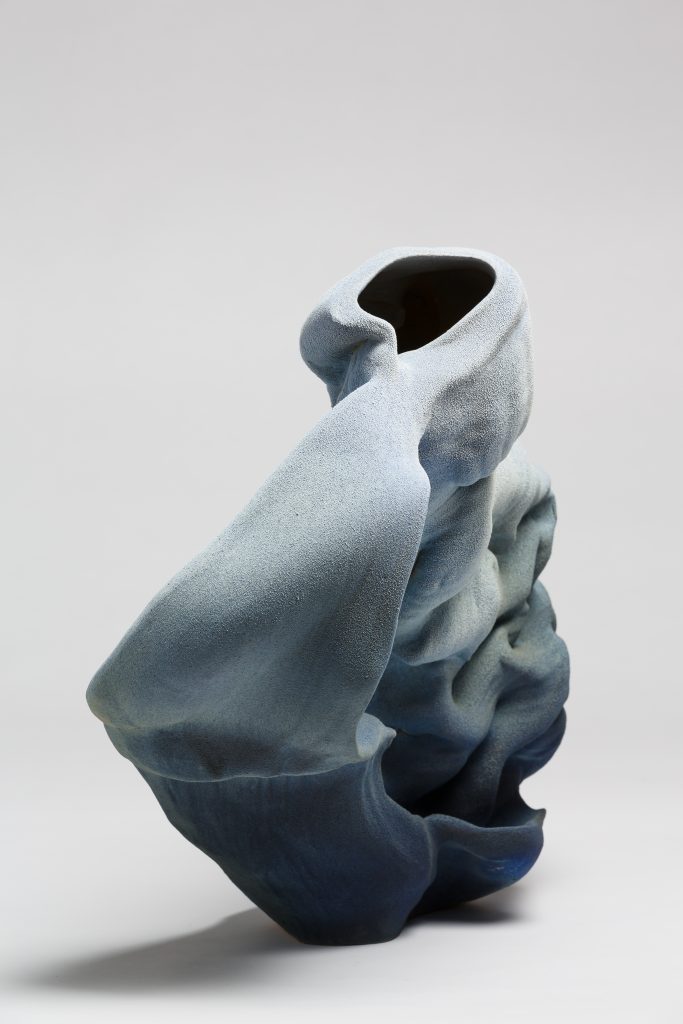
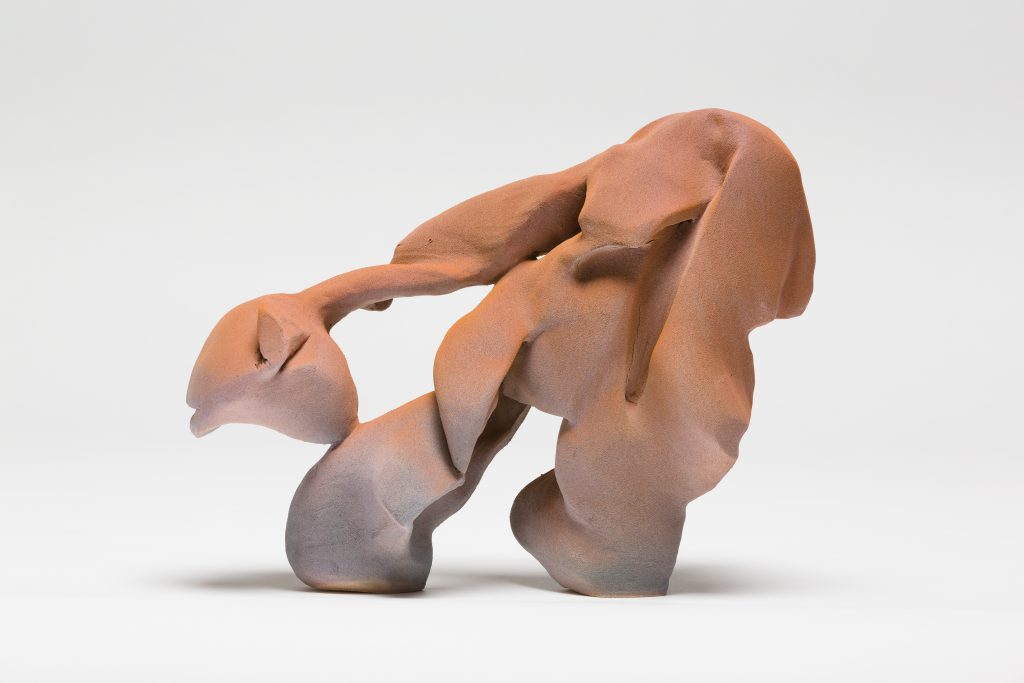
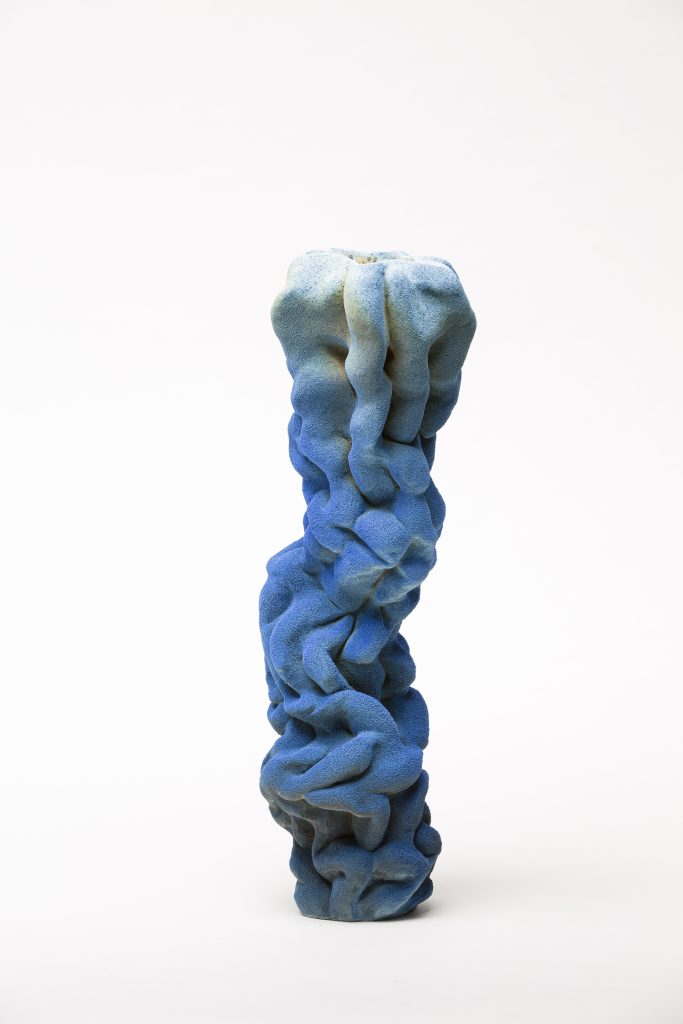
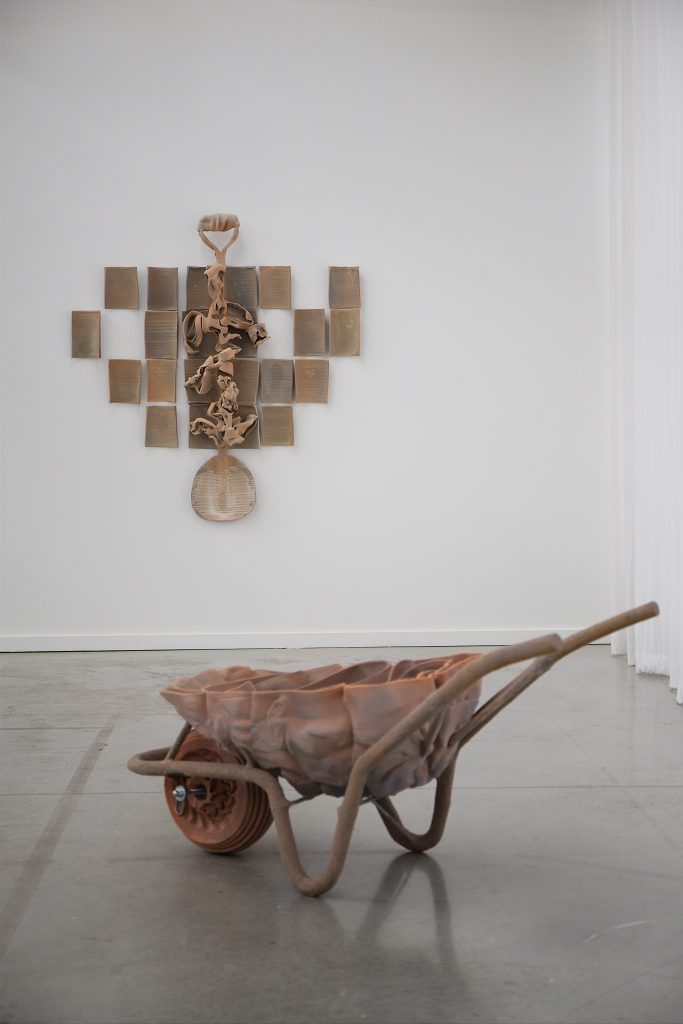
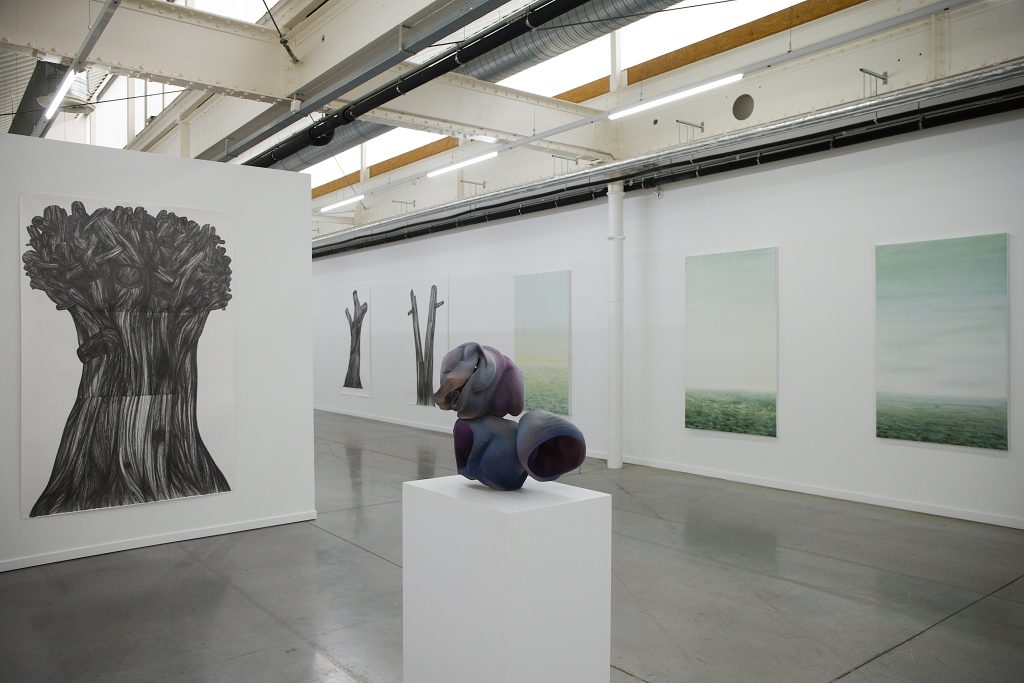
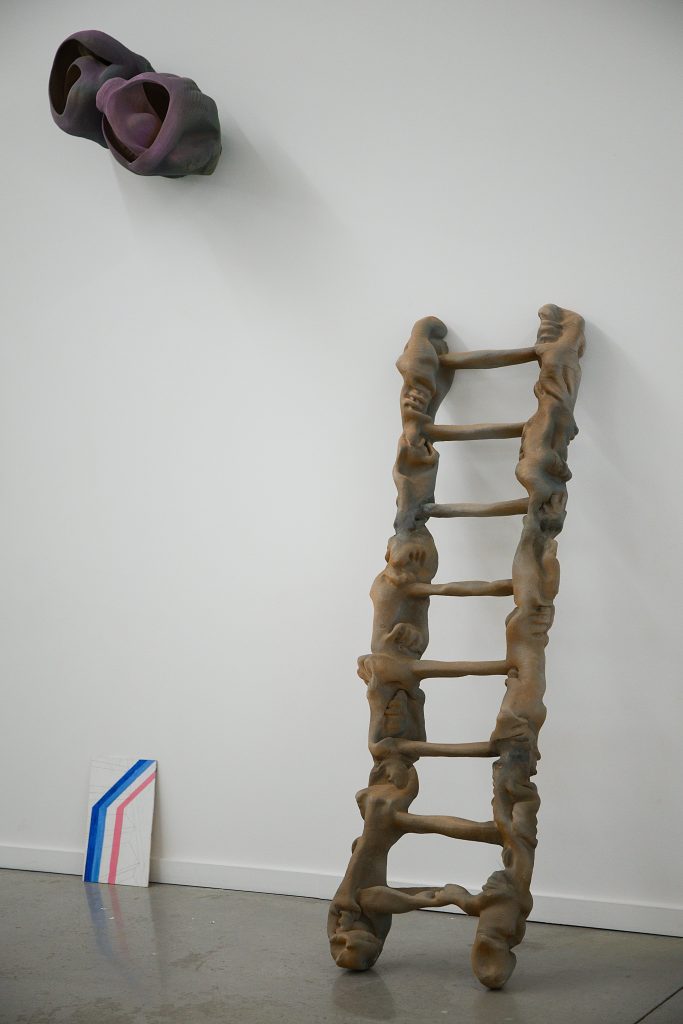
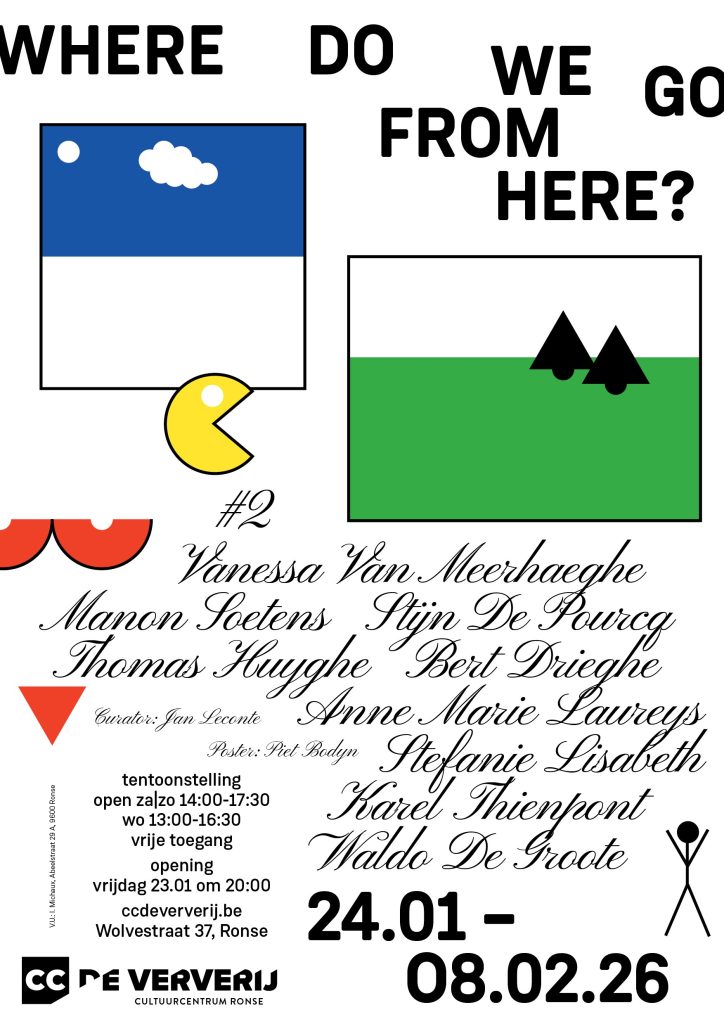
“Where do we go from here #2?” group show CC De Ververij, Ronse, Belgium, January 24->February 8, 2026
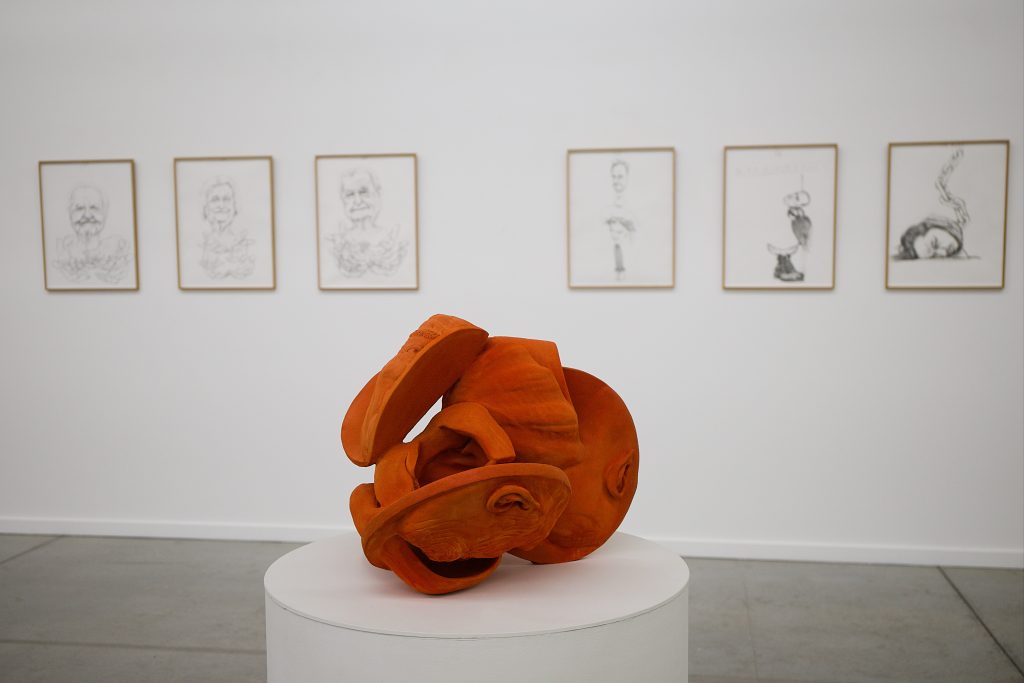
With this group exhibition, CC De Ververij once again aims to bring together visual artists who have a connection to Ronse and are building an intriguing body of work. This time, their artistic practices are linked by narrative perspectives and expressed in various disciplines.
Exhibition open on Wednesdays from 1 p.m. to 4.30 p.m., on Saturdays and Sundays from 2 p.m. to 5.30 p.m.
Opening on Friday 23 January at 8 p.m. with performance ‘Swan Lake’ by Karel Thienpont & Laura
Location: Wolvestraat 37, Ronse
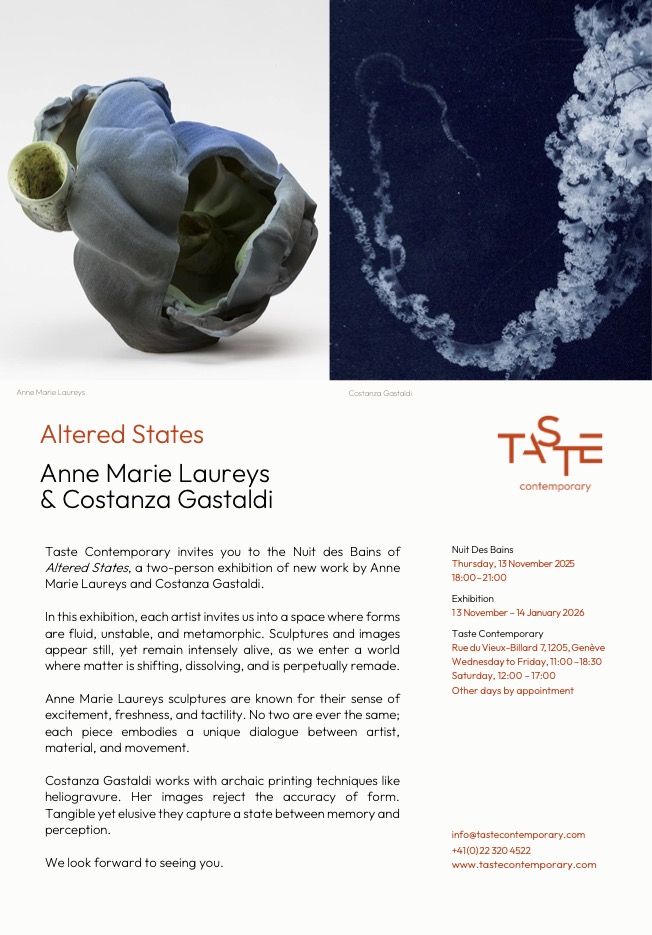
ALTERED STATES Anne Marie Laureys & Costanza Gastaldi at TASTE contemporary, Geneva, Switzerland, November 13, 2025 – January 14, 2026
Taste Contemporary presents Altered States, a poetic encounter between the Belgian ceramic artist Anne Marie Laureys and Italian fine art photographer Costanza Gastaldi.
In this exhibition, clay and image converse in a realm where form is never fixed. Both artists draw us into a shifting landscape — a place where matter breathes, dissolves, and reforms in endless transformation. What appears still is, in truth, alive with motion and metamorphosis.
At the core of this dialogue lies Anne Marie Laureys’ ceramic practice: vessels that seem to inhale and exhale, their surfaces folding, twisting, and blooming into unexpected shapes. Familiar yet strange, her sculptures capture the very moment when clay transcends its own weight — soft, supple, and charged with emotion.
Beside them, Costanza Gastaldi’s photographs unfold like fragments of dreams — shadowed reflections where perception and memory gently entwine. Her images hover between waking and reverie, mirroring the fluid, uncertain beauty of Laureys’ forms.
Together, their works open a space of quiet transformation — an invitation to linger where the solid turns liquid, and the seen becomes felt.
BADAFF, curated by Tatjana Pieters Arsenaal site, Ghent, Belgium March 20->23, 2025
 BADAFF
a group show
Ilke cop, Hans Vandekerckhove, Anne Marie Laureys
curated by Tatjana Pieters
Arsenaal site, Ghent, Belgium
March 20->23, 2025
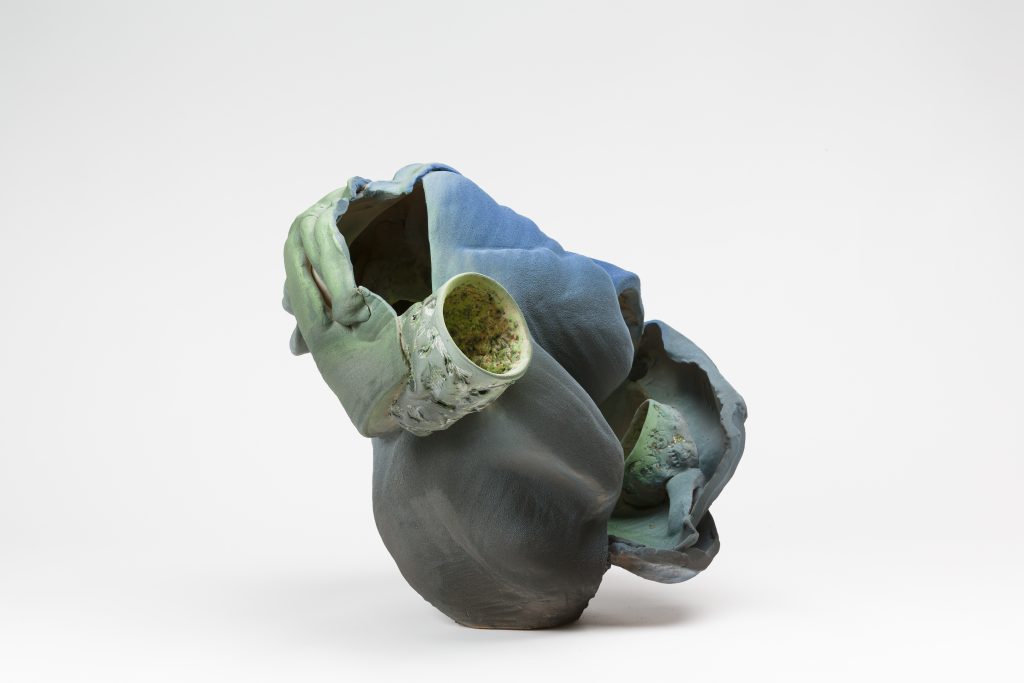
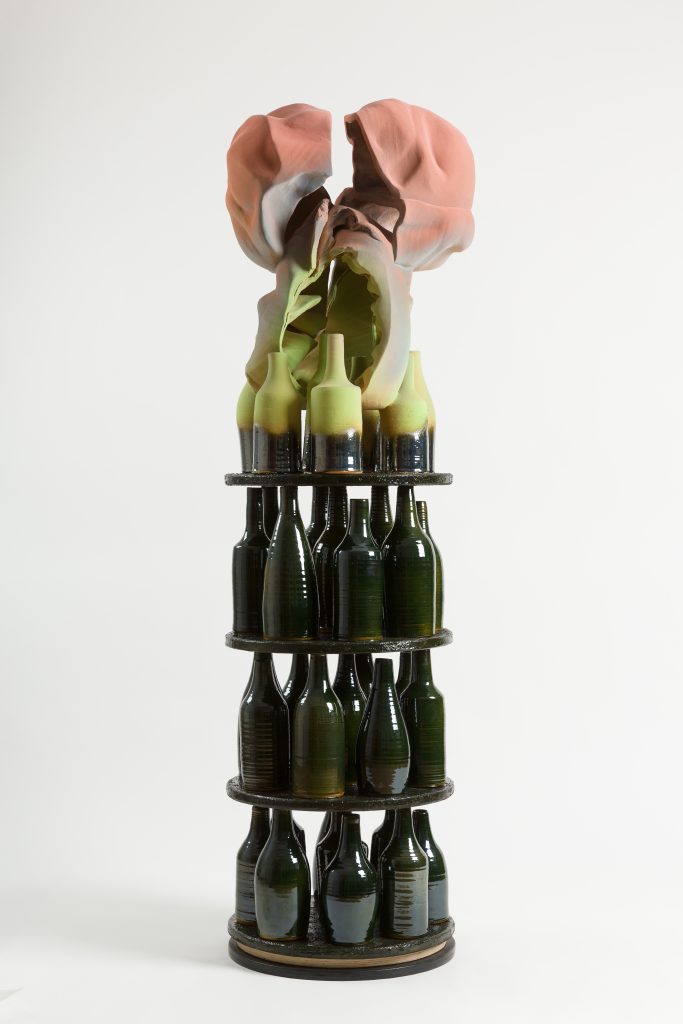
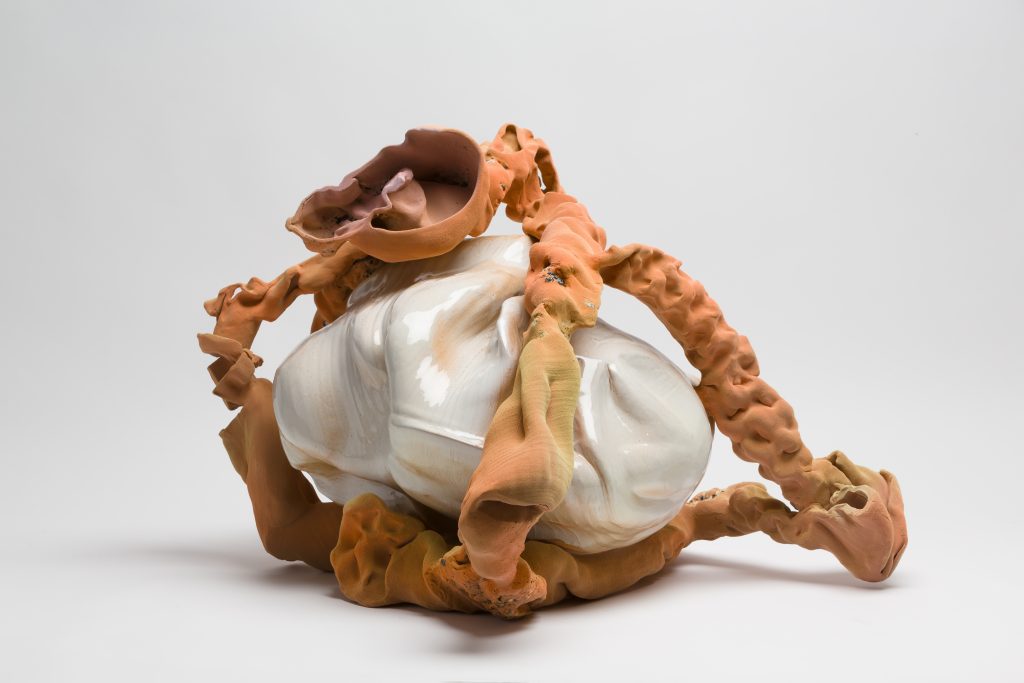
FLUX , Tatjana Pieters Gallery, Ghent, Belgium, January 12 til February 23, 2025
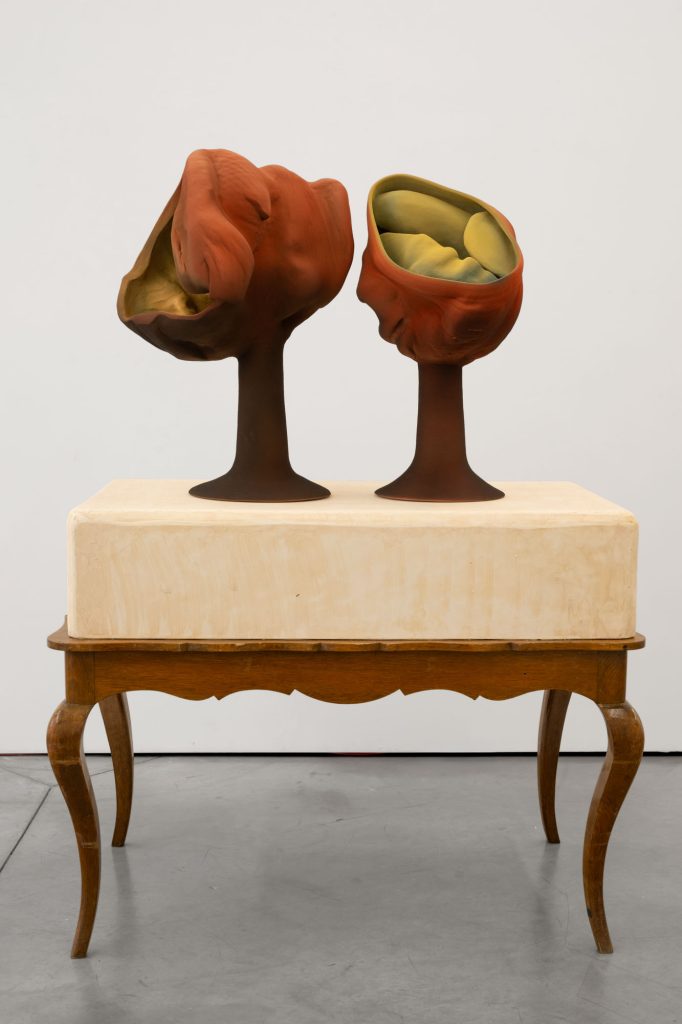
FLUX, Tatjana Pieters Gallery Ghent, Belgium
Matthijs Kimpe & Anne Marie Laureys
installation view ©joosjoostens
THE_HELMET_SETTLING_IDEAS, ceramics, 2024, H152 x 48 Øcm, ©peterclaeys
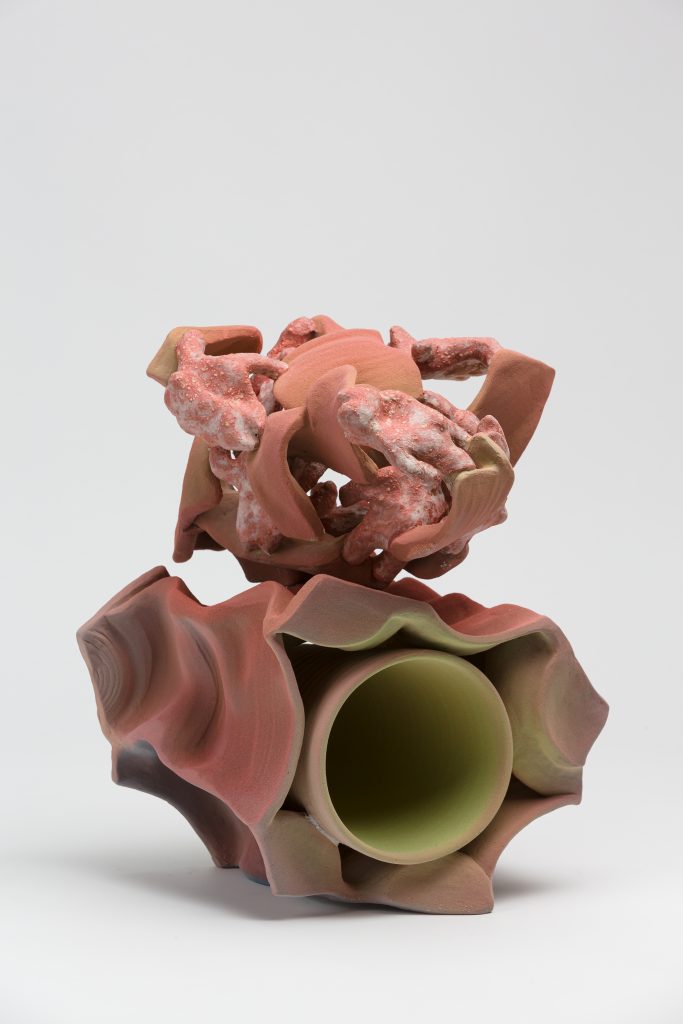
LA_JOIE_À_LA_CHOSE, ceramics, 2024, OPUS#3 H40 x 28 x 25cm, ©peterclaeys
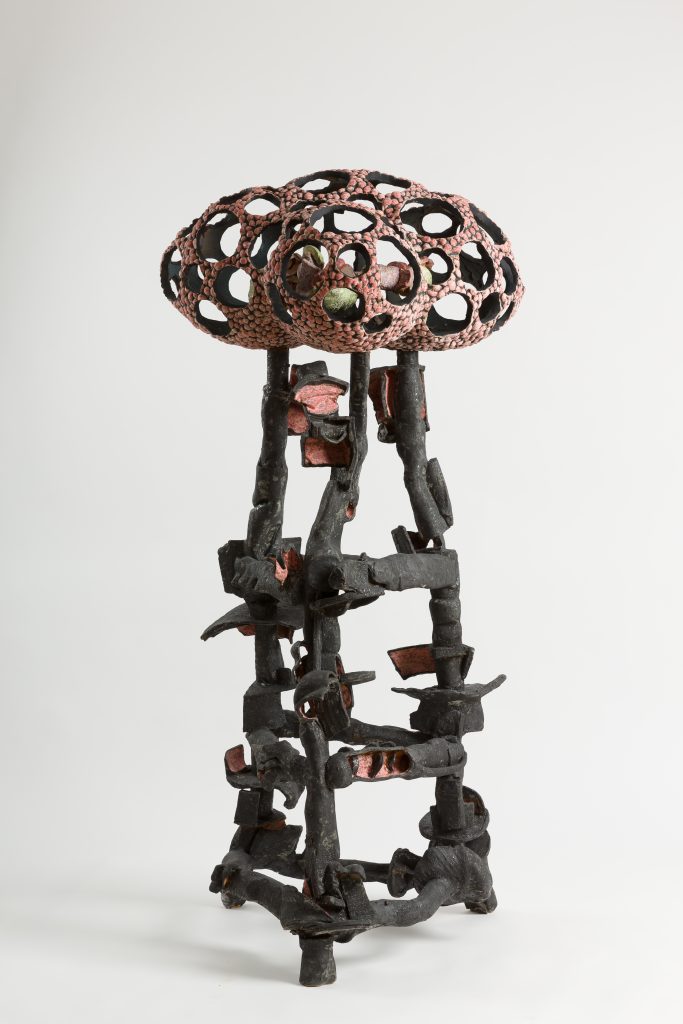
STOP_NONSTOP_SAVING_NONSENSE, ceramics, 2024, H154 x 70 x 60 Øcm, ©peterclaeys
FLUX_THE_PROCES_BECOMING_ONE_IN_ETERNAL_MOVEMENT, ceramics, 2024, H56 x 50 x 50cm, ©peterclaeys
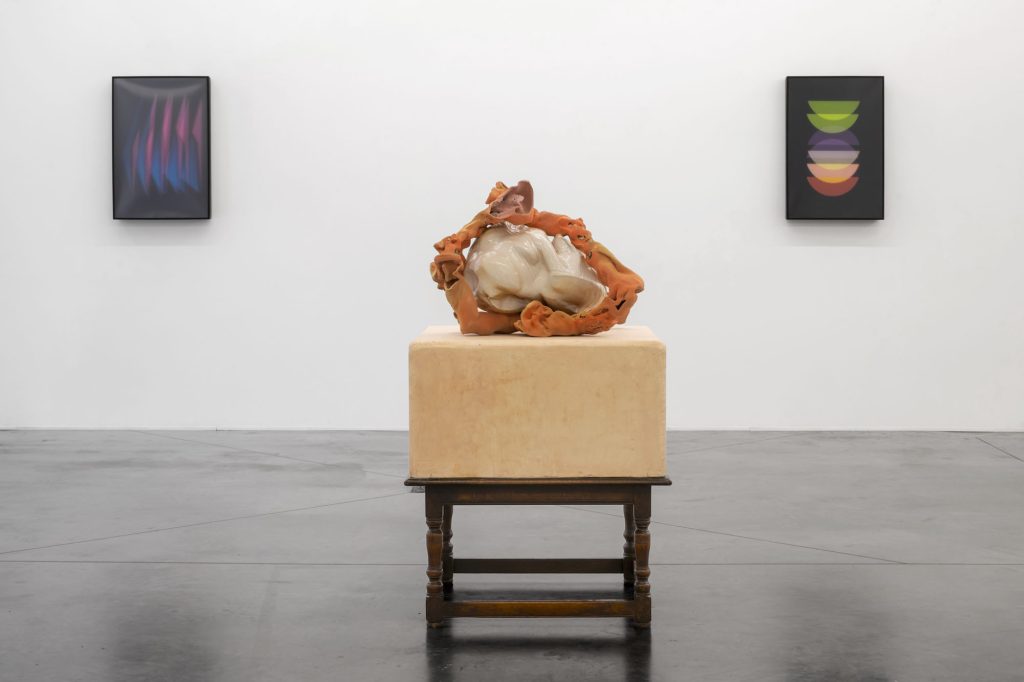
FLUX, Tatjana Pieters Gallery Ghent, Belgium
Matthijs Kimpe & Anne Marie Laureys
installation view ©joosjoostens
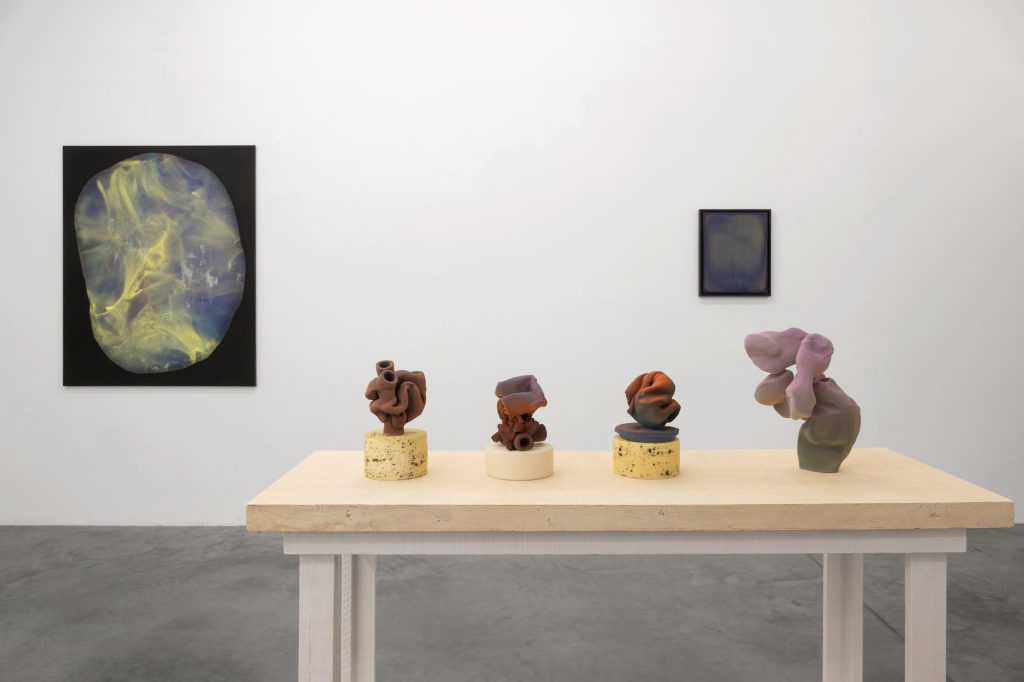
FLUX, Tatjana Pieters Gallery Ghent, Belgium
Matthijs Kimpe & Anne Marie Laureys
installation view ©joosjoostens 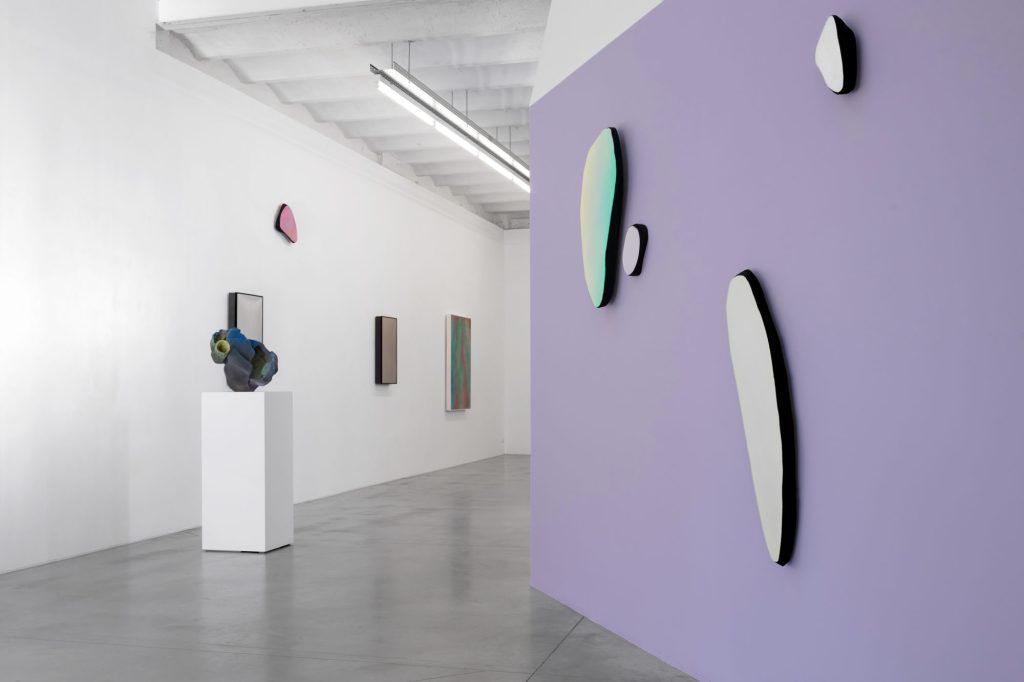
FLUX, Tatjana Pieters Gallery Ghent, Belgium
Matthijs Kimpe & Anne Marie Laureys
installation view ©joosjoostens 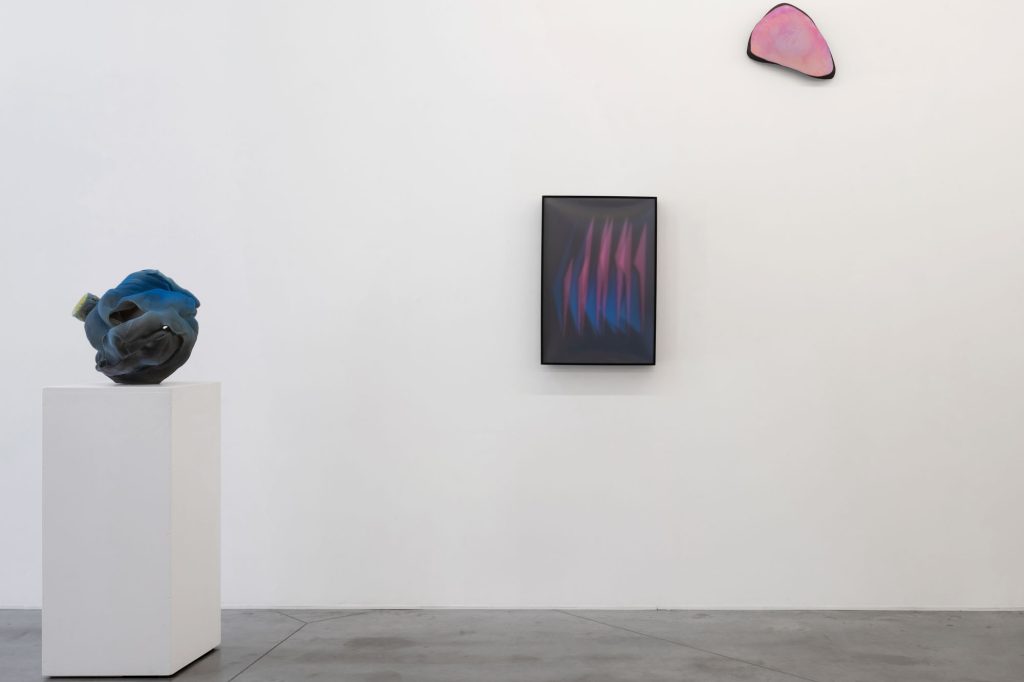
FLUX, Tatjana Pieters Gallery Ghent, Belgium
Matthijs Kimpe & Anne Marie Laureys
installation view ©joosjoostens 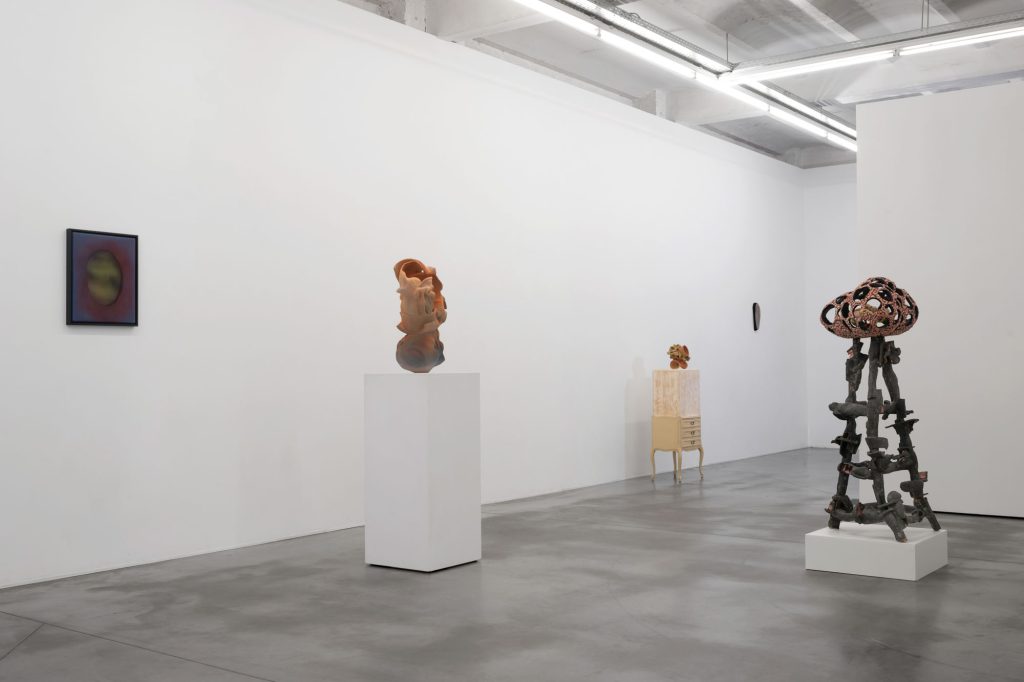
FLUX, Tatjana Pieters Gallery Ghent, Belgium
Matthijs Kimpe & Anne Marie Laureys
installation view ©joosjoostens 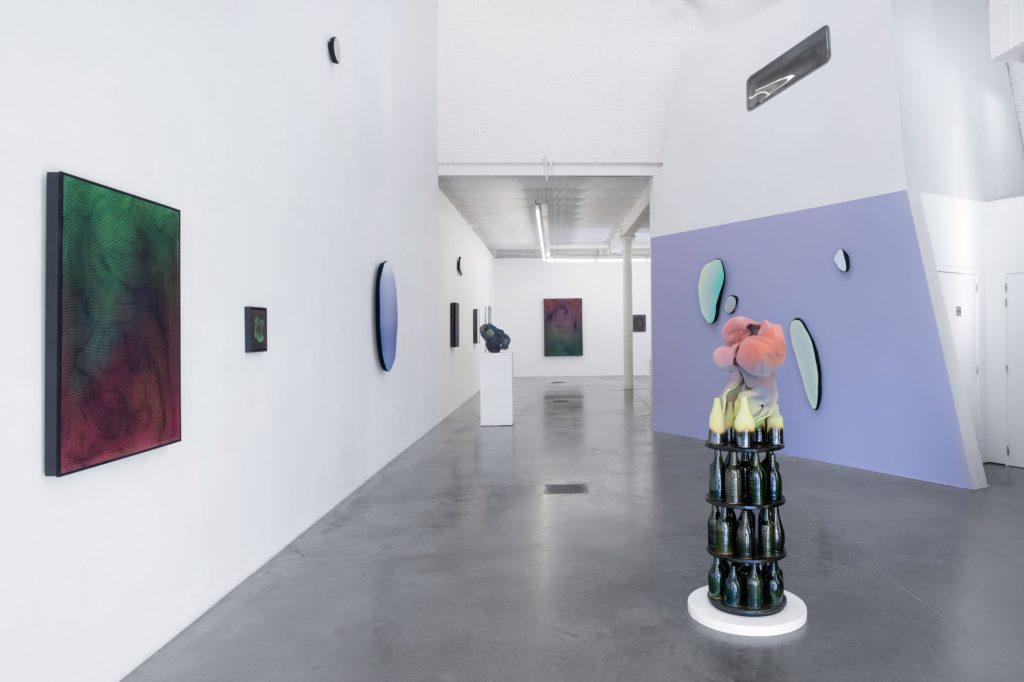
FLUX, Tatjana Pieters Gallery Ghent, Belgium
Matthijs Kimpe & Anne Marie Laureys
installation view ©joosjoostens 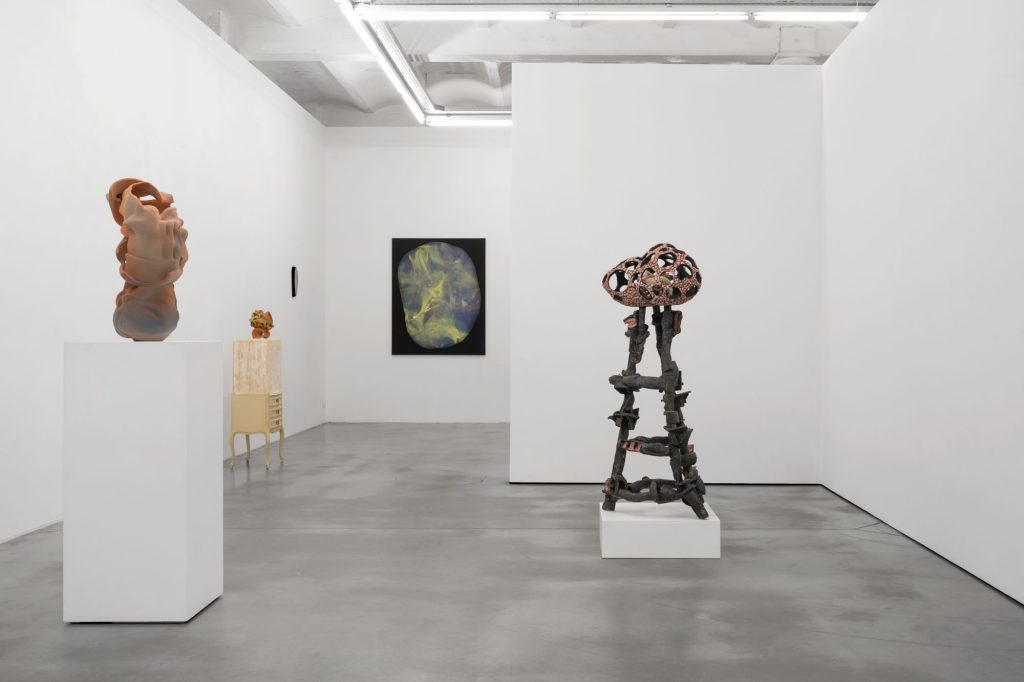
FLUX, Tatjana Pieters Gallery Ghent, Belgium
Matthijs Kimpe & Anne Marie Laureys
installation view ©joosjoostens 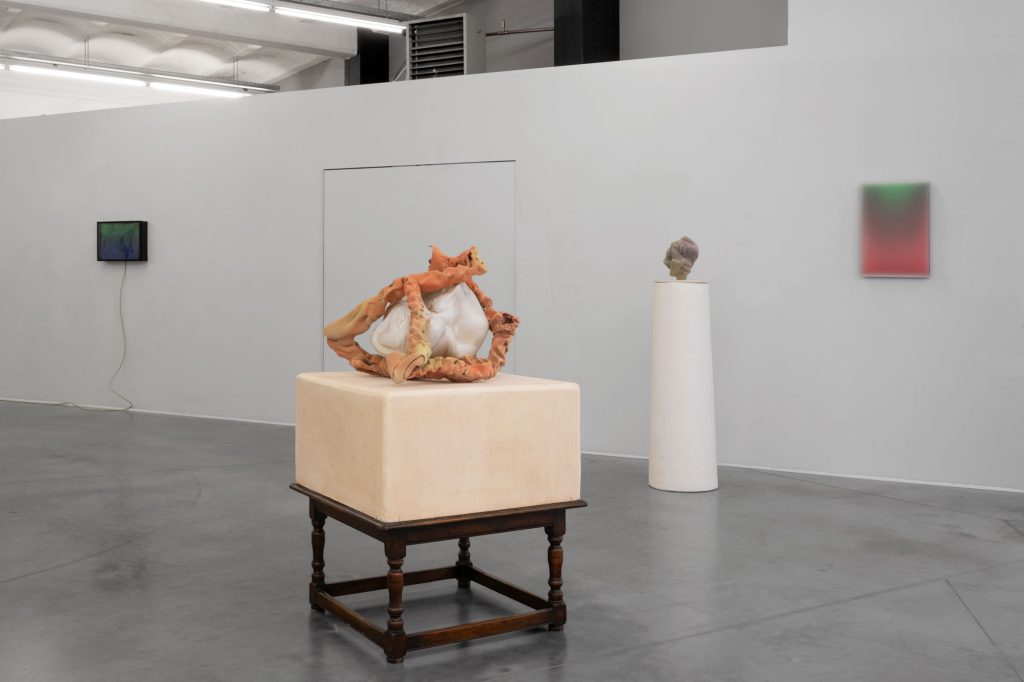
FLUX, Tatjana Pieters Gallery Ghent, Belgium
Matthijs Kimpe & Anne Marie Laureys
installation view ©joosjoostens 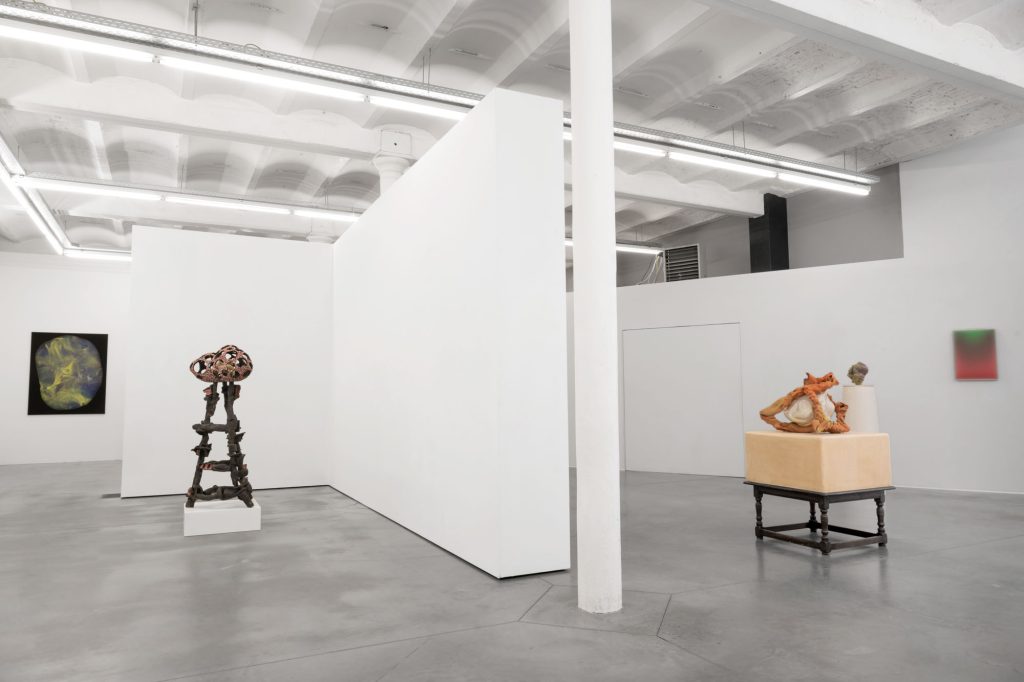 FLUX , Tatjana Pieters Gallery, Ghent, Belgium, January 12 til February 23, 2025
A duoshow with Matthijs Kimpe, paintings
FLUX symbolises the ongoing change and fusion of materials and ideas.
FLUX challenges to see the world not as something fixed, but as a constant source of change and inspiration.
In the art world, the term FLUX conjures up images of movement, transformation and the constant interplay between form and content. It refers to a dynamic state in which nothing is fixed and everything is constantly evolving.
Artists inspired by flux often explore the boundaries of tradition, medium and time.
We would be happy to see you soon in Ghent for the duo show FLUX.
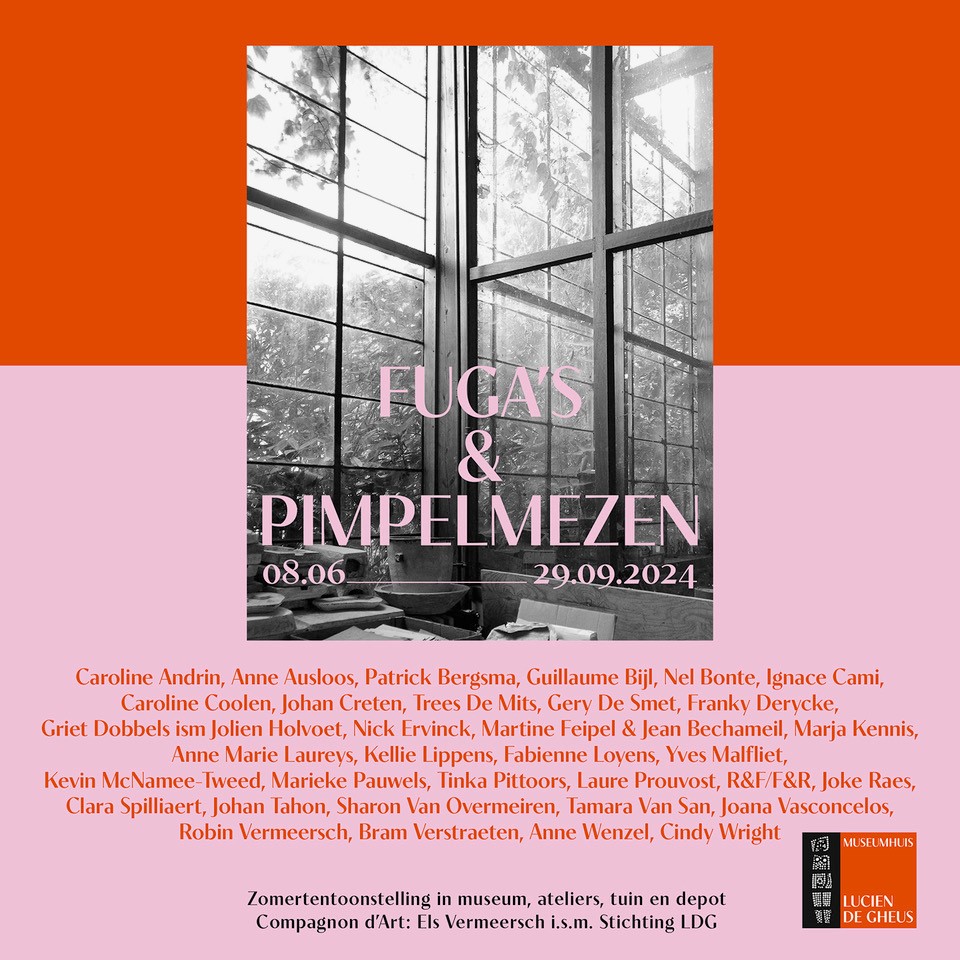
FUGA’S EN PIMPELMEZEN, Museumhuis Lucien De Gheus, Poperinge, Belgium June 8- September 29, 2024
Exhibition
‘Fuga’s en Pimpelmezen’
Curator : Compagnon d’art, Els Vermeersch
Groupshow
Saturday 8 June – Sunday 29 SeptemberJune open : Saturday and Sunday : 2pm -> 6pm
July and August open : Friday Saturday and Sunday: 2pm-> 6 pm
Contemporary art nestles in the intimacy of the Museum House and enters into dialogue with the location and oeuvre of Lucien De Gheus and his passion for music, dance and movement.
More info and full programm on events ->site Museumhuis Lucien De Gheus